What Is the True Colors Personality Test?
Many people first hear about the method through quick quizzes or workshops that emphasize practical application over jargon. Many readers discover the model via the color personality test, which offers an approachable entry point and a snapshot of dominant tendencies. Rather than boxing anyone into a single label, the approach highlights blends across the four hues and encourages growth in areas that feel less natural. For a deeper dive, the true colors personality test provides structured prompts that illuminate stress signals and preferred communication styles. In addition, some learners use the personality color test to compare how their results shift across career stages, relationships, and leadership challenges, revealing patterns they can act on.

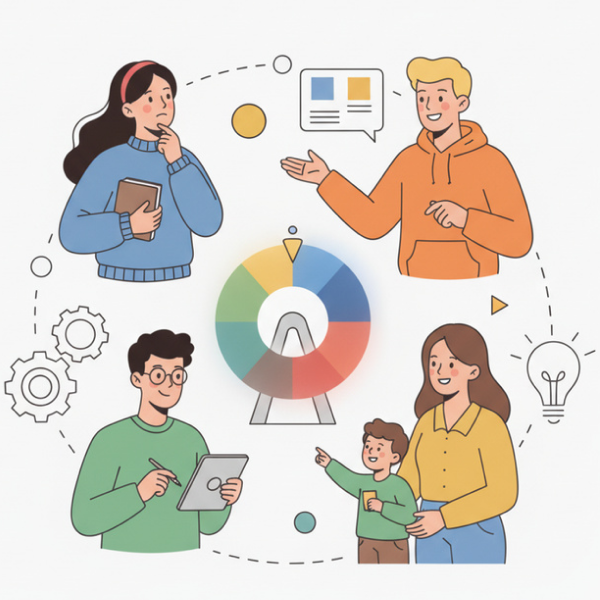
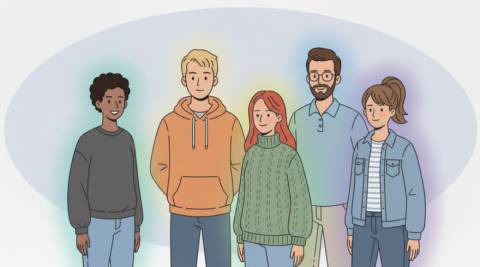
Each color reflects a cluster of motivations, preferred environments, and communication patterns that show up in meetings, projects, and personal conversations. Rather than rigid categories, think of these as anchors that describe what energizes you and what drains you during collaboration. To turn descriptions into action, it helps to translate each color into specific behaviors you can watch for and practical adjustments you can make. Many learners start with the color personality traits test to connect descriptive summaries with their daily choices and stress triggers.
Color Personality Types: Gold, Blue, Green & Orange
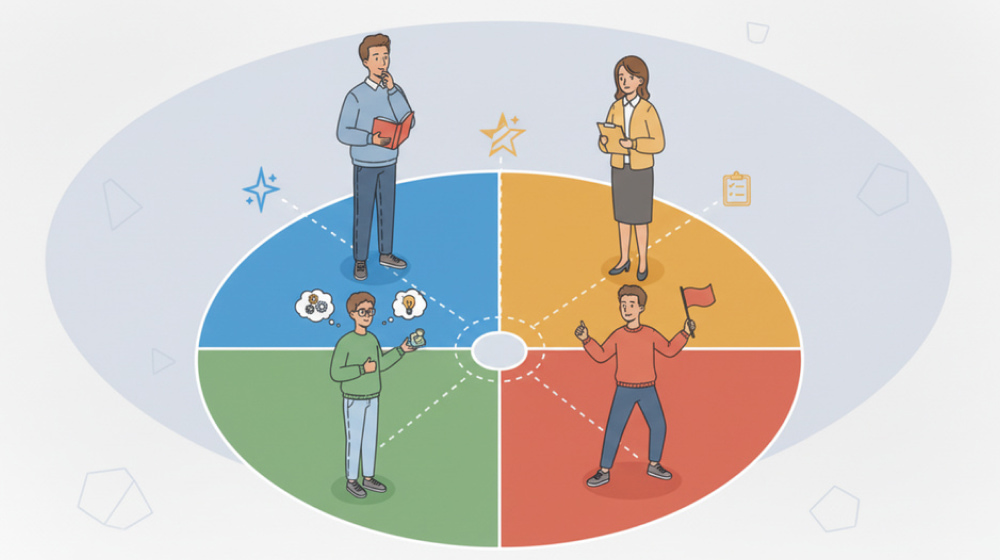
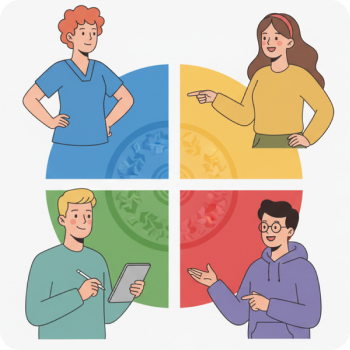
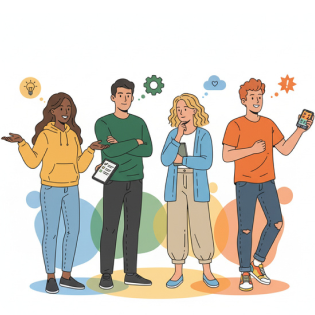
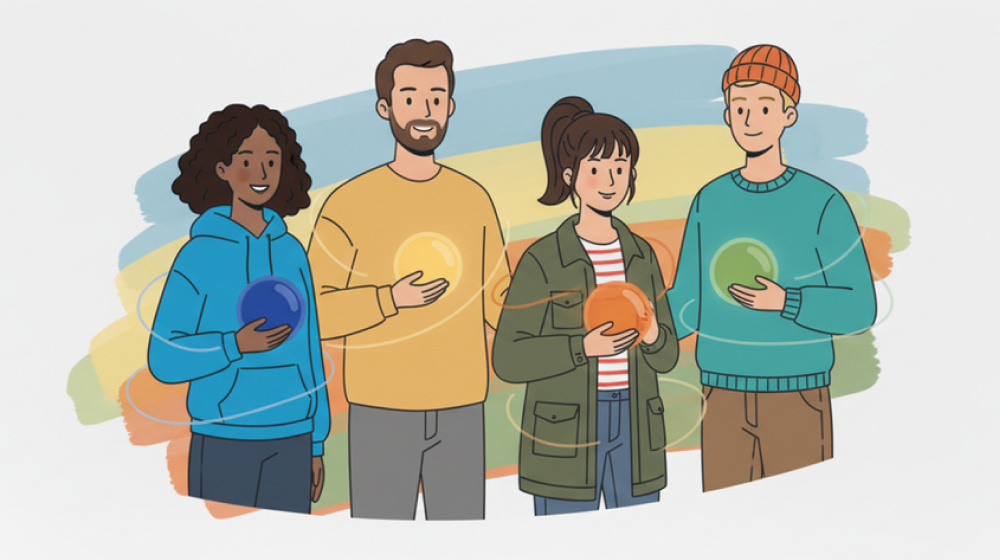
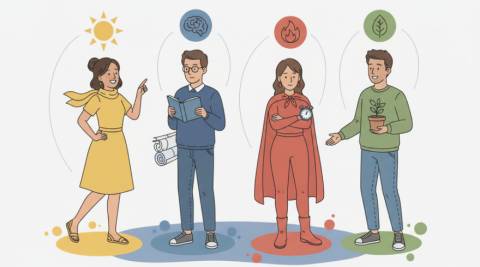
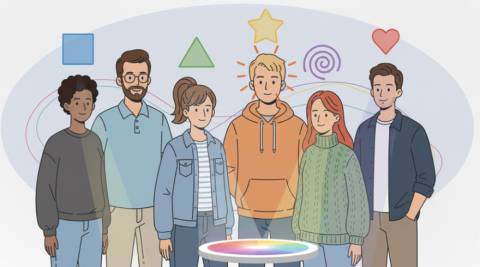
Gold is typically associated with structure, planning, and responsibility; Blue with empathy, harmony, and relationship-building; Green with analysis, independence, and innovation; Orange with spontaneity, results, and risk-taking. Because stress skews behavior, it’s important to understand how each hue reacts when deadlines compress or expectations shift unexpectedly. Teams become more resilient when they design norms that honor all four modes and rotate leadership based on the demands of the moment. People who enjoy visual summaries often reference the 4 color personality test when facilitating workshops, enabling participants to quickly grasp how complementary strengths create balanced execution.
| Color | Core Drivers | Communication Style | Stress Triggers | Growth Moves |
|---|---|---|---|---|
| Gold | Order, duty, reliability | Clear, sequential, detailed | Ambiguity, last-minute changes | Flex comfort zone, co-create plans |
| Blue | Connection, empathy, harmony | Supportive, collaborative, expressive | Conflict without care, isolation | Set boundaries, ask for clarity |
| Green | Logic, autonomy, mastery | Precise, data-driven, inquisitive | Micromanagement, emotional pressure | Share context, invite feedback |
| Orange | Action, variety, impact | Direct, energetic, adaptive | Routine, slow decision cycles | Build follow-through systems |
Although many instruments can surface similar patterns, fans of this approach often praise its blend of accuracy and usability. People who prefer narrative prompts sometimes turn to the real colors personality test to compare language styles and see which phrasing resonates most with their lived experience. For facilitators, the color lens provides quick coaching cues that make retrospectives, one-on-ones, and team launches more productive. Educators appreciate the clarity it brings to classroom dynamics and parent collaboration. Others explore visualization exercises that translate findings into daily rituals, checklists, and communication agreements that reduce friction. Some participants also reference personality test colors when building shared glossaries for onboarding and performance conversations across departments.

Using Color Types
The color test helps people move from personality labels to observable behaviors, which is where change actually happens. In organizations, managers use it to tailor feedback, craft role fits, and pair complementary strengths in project teams. Coaches and therapists draw on the model to defuse conflict spirals and to design experiments that build flexibility across contexts. People comparing typologies often look at the color code personality test to map overlaps and differences, then adapt language that best fits their culture.
How to Take the Four Colors Test & Interpret Your Results
Getting a dependable result starts with mindset: an answer for how you typically act, not how you think you should act. Set aside distraction, move quickly through prompts, and choose the option that feels most natural in daily situations. After you receive your dominant hue, look closely at the distribution across all four colors because that blend contains the real story. Then translate insights into micro-habits such as meeting checklists, communication cues, and recovery tactics for stressful days. People exploring entry points often appreciate that some providers offer a free true colors personality test, allowing them to test-drive the approach before committing time to workshops.

Interpreting the blend requires nuance, especially when two hues score closely. In those cases, reflect on context: which environments bring out each color, and which triggers cause overuse of a strength. Use journals, feedback from trusted peers, and project retrospectives to validate patterns. To make development continuous, convert insights into weekly experiments and review what worked. When cost is a factor, learners frequently start with a color personality test free version to get oriented and then pursue deeper coaching for long-term growth. Facilitators also recommend sharing results with teammates and agreeing on signals that indicate stress so everyone can respond early. For those evaluating multiple tools, some people pilot workshops that include a true colors personality test free option alongside coaching exercises so participants can experience the language in action. Finally, remember that the point is not to fit a mold but to expand your range in service of outcomes that matter.
Beyond work, families use color insights to smooth daily routines, reduce friction about chores, and plan vacations that honor varied appetites for structure and spontaneity. Educators weave it into classroom agreements, peer feedback, and group projects so students build empathy while learning. When teams need a common vocabulary for strengths, some facilitators introduce the true colors personality types test to anchor discussions and set norms that feel fair to everyone. For distributed teams, remote-friendly tools pair well with the color personality test online to keep development inclusive and accessible across time zones.
How Color Insights Guide Leadership and Growth
No single model can capture the full richness of human behavior, so it helps to treat colors as a starting map rather than a final verdict. Validity improves when you triangulate across self-report, 360 feedback, and observed behavior under pressure. Be cautious about stereotyping colleagues or excusing poor behavior as “just my color.” Instead, use the lens to make clear requests, design smart constraints, and create recovery plans when stress narrows perspective. In change-heavy environments, teams do well when they rotate leadership based on the problem at hand and tap each color’s strengths at the right moment. Learners who want to compare frameworks without high upfront cost sometimes experiment with a free color code personality test to see which language best supports their culture and goals. Above all, treat the model as a living practice: run small experiments, review outcomes, and refine your shared playbook so growth sticks.

Frequently Asked Questions
The Latest News
Please Note
This website (mycolorpersonalitytest.com) is not an official representative, creator or developer of this application, or product. All the copyrighted materials belong to their respective owners. All the content on this website is used for educational and informative purposes only.